What Brooklyn Homeowners Get Wrong About Home New York Carpet Cleaning and Why the Timing Costs Them
Every week we take calls from Brooklyn residents who waited a season too long. Home New York living the dense foot traffic, the street grit tracked up stairwells, the kids and pets sharing small rooms puts carpets under pressure that most homeowners genuinely underestimate. Last month, a family in Crown Heights called us in a mild panic: they had guests arriving for a long weekend, the carpet in their living room smelled musty, and they’d assumed a quick vacuum would handle it. It hadn’t. What they had was six months of embedded soil, pet dander, and the slow damage that comes from putting off a professional clean. We got them sorted, but it was close and it cost more than it would have had they called us in early spring.
The Vacuum-Is-Enough Assumption
This is the one we hear most often, from Park Slope brownstones to Flatbush apartments. Homeowners vacuum regularly sometimes every few days and feel confident the carpet is clean. What they don’t realize is that vacuuming pulls surface debris but leaves behind the fine particles that have migrated deep into the carpet pile and the backing beneath it. According to the American Lung Association, carpets can hold up to four times their weight in dirt, debris, and allergens. That figure surprises people every time we quote it, but it tracks with what we actually see when our extraction equipment pulls dark water out of a carpet that looked perfectly acceptable on the surface.
The myth persists because vacuuming does produce visible results the canister fills up, the carpet looks brighter — so it feels like the job is done. But those are the easy particles. The compacted stuff, the fine street grit that settles in after a winter of people tracking in from Atlantic Avenue or Flatbush Avenue, requires hot water extraction to dislodge. Regular vacuuming is maintenance, not cleaning. Both are necessary.
Spring Is the Right Time — Fall Is Too Late
A lot of Brooklyn residents think of carpet cleaning as a fall task, something to knock out before the holidays. We understand the logic: you want a clean home before family visits. But the timing works against you. By the time fall arrives, your carpet has already absorbed a full year’s worth of what New York City produces. New York City’s density over 27,000 residents per square mile in Manhattan means soil and pollutants accumulate significantly faster here than in suburban homes, and Brooklyn’s own density tells a similar story. Come October, you’re not cleaning ahead of the damage; you’re trying to reverse it under deadline pressure, which often means less flexibility on scheduling and sometimes higher rates due to seasonal demand.
Spring cleaning specifically late March through May gives you better access to booking windows, more reasonable pricing, and the chance to address the winter accumulation before it has months to grind further into the fiber. It also lines up well with open-window season, which matters for drying time. In a Brooklyn apartment with limited airflow, a carpet cleaned in November can take hours longer to dry than one done in May with the windows open.
One Clean Lasts Forever (Or at Least a Few Years)
We’ve met homeowners in Bay Ridge and Bensonhurst who had their carpets professionally cleaned once, five years ago, and assumed they were still ahead of the curve. The Institute of Inspection, Cleaning and Restoration Certification (IICRC) recommends professional cleaning at least every 12 to 18 months for residential carpets. That’s not a sales pitch it’s the standard that carpet manufacturers themselves reference in their warranty documentation. Allowing longer gaps means the soil that stays behind between cleanings becomes abrasive, gradually cutting fiber strands and dulling the carpet’s appearance in ways that no amount of cleaning will fully reverse.
The cost of waiting isn’t just aesthetic. A carpet that might have responded fully to one standard hot water extraction session after 14 months sometimes needs a second pass or a pre-treatment after 30 months. That adds time and adds to the bill. In a Williamsburg loft with concrete floors and a single area rug that gets heavy daily use, the math compounds quickly.
Steam Cleaning Shrinks or Damages Carpets
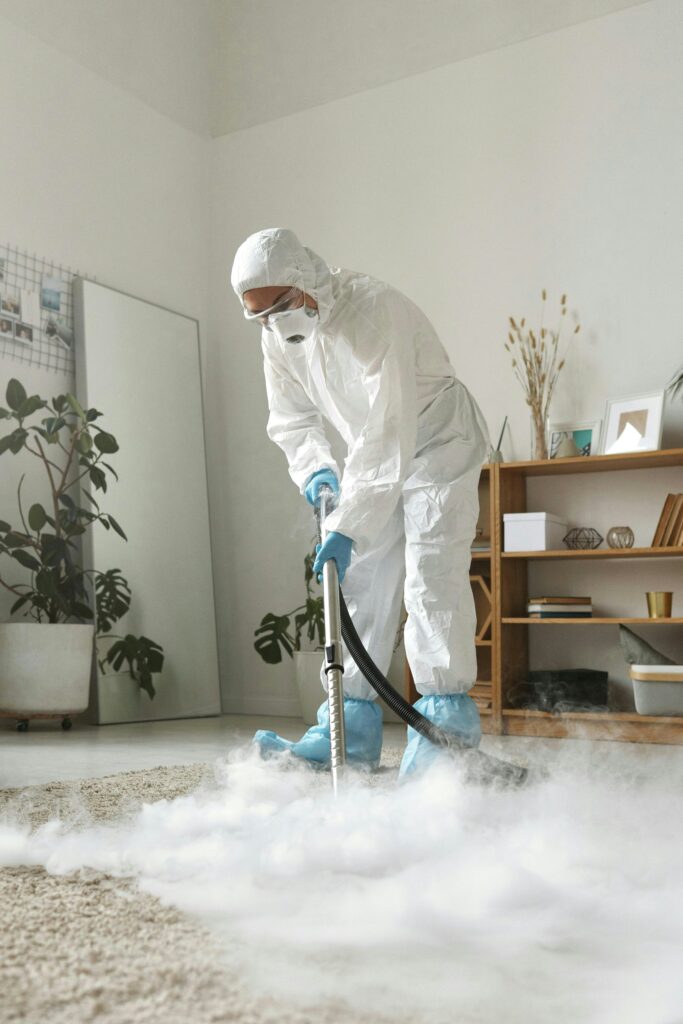
This one has some historical roots older methods, poorly trained operators, or machines that left carpets soaking wet did cause problems. But it keeps homeowners in Prospect Heights and Cobble Hill from booking a service their carpets genuinely need. Modern hot water extraction, when performed correctly, uses controlled water temperature and pressure, followed by strong suction that recovers the majority of moisture before the technician leaves. Hot water extraction is endorsed by major carpet manufacturers including Shaw and Mohawk as the most effective method for deep cleaning and embedded soil removal. The key phrase is “performed correctly” which is exactly why choosing an experienced local crew matters more than price-shopping for the cheapest option you can find on a flyer.
Shrinkage does happen, but it almost always results from over-wetting or from carpets with jute or natural fiber backings that weren’t assessed properly before cleaning began. A technician who walks through the job beforehand — checking fiber type, backing, and current moisture conditions — eliminates most of that risk before the machine is even turned on.
The Cost of Waiting Is Only the Cleaning Fee
Homeowners often frame the decision to delay as saving money. The reality is that waiting costs more, just spread across time and sometimes hidden inside a carpet replacement bill. Embedded soil acts like sandpaper on carpet fibers with every step taken across it. Pet stains left for months oxidize into the backing and become significantly harder to extract in some cases, impossible to fully remove. What would have cost a few hundred dollars in March can become a situation where replacement is the more economical option by December.
As of 2026, carpet replacement costs for a standard Brooklyn apartment even using mid-range materials easily run into the thousands once your account for labor and removal of the old carpet. A routine professional clean scheduled at the right time of year is a fraction of that. We’ve had the same conversation with clients in Sunset Park and Windsor Terrace: the cleaning they put off for two seasons cost them a carpet.
Why Brooklyn Residents Trust Adam’s Carpet Cleaning
We’ve cleaned carpets in walk-up apartments in Greenpoint, carriage house conversions in Carroll Gardens, and large family homes in Marine Park. We know Brooklyn’s housing stocks the narrow hallways, the old hardwood borders around carpet sections, the co-op boards that have rules about wet equipment in shared spaces. We work around those realities every day. According to the Environmental Protection Agency, indoor air can be 2 to 5 times more polluted than outdoor air, and carpets are a primary reservoir for the allergens and particulates driving that number. Keeping them genuinely clean isn’t a luxury in a New York City home it’s basic maintenance.
If your carpets haven’t been professionally cleaned in the past year, right now is the time to get on our schedule not because we say so, but because your carpet’s condition is already telling you. Reach out to Adam’s Carpet Cleaning NYC and let us take a look. We serve all of Brooklyn and the surrounding boroughs, and we’ll give you a straight answer about what your carpet actually needs.
Frequently Asked Questions
What is the best time of year to schedule home carpet cleaning in Brooklyn, New York?
Late spring roughly late March through May is the most practical window for Brooklyn homeowners. Temperatures are mild enough to keep windows open during drying, booking availability is better than in the fall rush, and you address the full winter’s accumulation of soil and allergens before it grinds deeper into the carpet fiber over warmer months. As of 2026, spring slots fill faster than they used to, so scheduling a few weeks in advance is advisable.
How often should carpets in a New York City home be professionally cleaned?
The IICRC recommends professional cleaning every 12 to 18 months for residential carpets under typical conditions. In a Brooklyn or Manhattan apartment with high foot traffic, children, or pets, erring toward the 12-month end of that range is the smarter call. NYC’s density means carpets accumulate soil faster than in lower-traffic suburban environments, and the gap between cleaning cycles has a direct effect on how well the carpet responds and how long it lasts.
Does professional steam cleaning damage carpets in older Brooklyn apartments?
Not when it’s done correctly. Hot water extraction commonly called steam cleaning is endorsed by major carpet manufacturers as the most effective deep-cleaning method. The risk of damage comes from over-wetting or from operators who don’t assess fiber type and backing before starting. A qualified technician will inspect the carpet first, adjust water temperature and pressure accordingly, and use extraction equipment strong enough to recover most of the moisture before they leave. Carpets in older Brooklyn homes with natural fiber backings require extra care, but experienced crews account for that as standard practice.
Related from Adams Carpet Cleaning NYC: Dry Carpet Cleaning in Manhattan, NY · And Eco Friendly Care Manhattan · Your Carpet Is Telling You Something